
What Does It Really Feel Like to Relocate to the Richmond, VA Area?

If you’re considering relocating to Richmond, you can find plenty of information online about home prices, neighborhoods, restaurants, parks, and things to do. What’s harder to find is an answer to a much more personal question: What does it actually feel like to move here when Richmond isn’t already home?
From a real estate perspective, I think the first few weeks can feel a little disorienting because “Richmond” starts becoming much bigger than the city name you saw on the map. You hear Midlothian, Chesterfield, Henrico, Glen Allen, Short Pump, Mechanicsville, and other community names, and initially you may have no idea how any of them relate to one another.
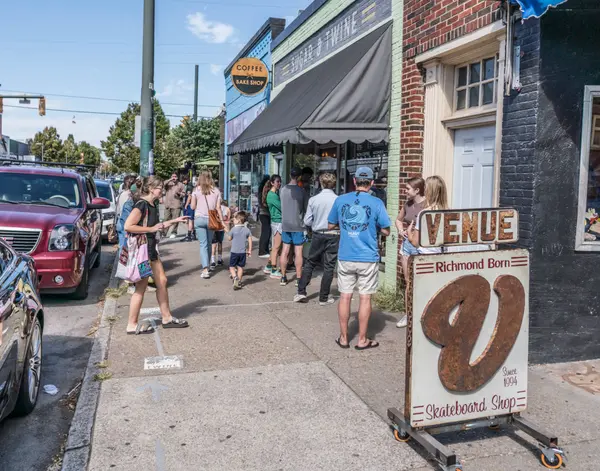
Then, little by little, the map starts becoming your life. You learn which road takes you to work. You find the grocery store you prefer. You discover a coffee shop you like. You stop needing directions every time you leave the house. The places that felt like names on a relocation spreadsheet begin feeling familiar.
That transition is a big part of relocating, and when our team at New Canaan Properties works with someone moving to the Richmond area, we try to prepare them for more than the real estate transaction itself.
Richmond Usually Feels Bigger at First Than It Does Later
Before you move, you may think of Richmond as one place. Once you begin researching, you realize the official Richmond Region stretches beyond downtown and includes surrounding counties and communities with their own identities.
At first, that can make the area feel enormous.
You might see a house in Midlothian, another in Glen Allen, another with a Richmond mailing address, and wonder whether you’re comparing three completely different lifestyles.
Sometimes you are.
Once you begin driving the area and understanding the major roads, however, the geography starts making more sense. I-64 runs east-west and I-95 north-south through the region, with other major routes connecting surrounding communities. You begin understanding where your job sits in relation to the places you’re considering, and suddenly the map isn’t quite as intimidating.
You’ll Probably Notice That the Area Changes Quickly
One of the interesting things about the Richmond region is how quickly the environment can change depending on where you go.
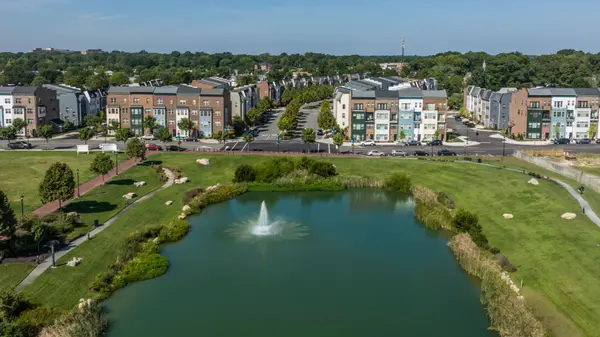
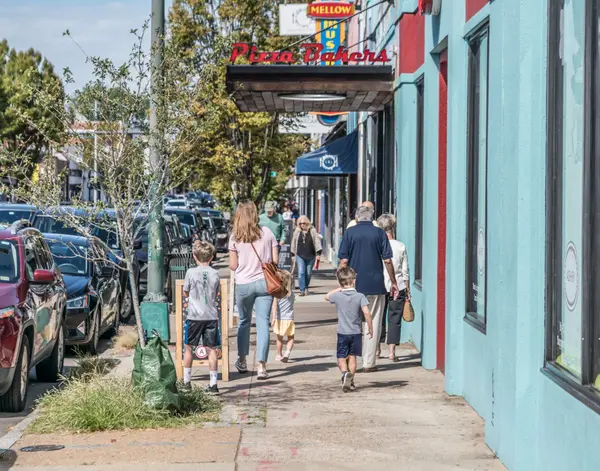
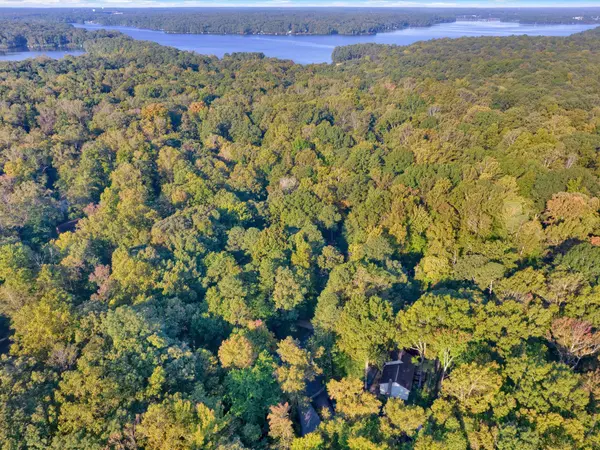
You can spend part of your day around Richmond’s historic neighborhoods, restaurants, museums, and James River, then drive into suburban areas with larger shopping corridors, planned communities, and newer development. Continue farther and the landscape can become noticeably less dense.
Richmond itself has an unusually strong relationship with the James River. The city’s James River Park System stretches along both sides of the river and includes more than 20 miles of trails, public boat ramps, climbing areas, and urban outdoor recreation.
Midlothian gives you a different experience. Chesterfield County maintains trails and parks throughout the area, including Mid-Lothian Mines Park, Robious Landing Park, Rockwood Park, and others.
Neither experience needs to be labeled better. They simply give you different ways of living within the same broader region.
Your First Impression May Not Be Your Final Choice
This happens more often than people expect.
You may arrive convinced you want to live in one part of the Richmond area because a coworker recommended it, only to discover another community fits you better once you start driving around.
That’s why we don’t want to build your entire relocation around somebody else’s favorite neighborhood.
A coworker may love Short Pump because it works beautifully for their commute and they like being near a major shopping corridor. You may spend an afternoon there and realize you prefer Midlothian. Another buyer may tour suburban communities and decide they really want the character and proximity to activity they found in Richmond.
Relocation is partly about giving yourself permission to change your mind as you learn.
You’ll Start Developing Your Own Version of Richmond
This is one of the things I enjoy watching happen with relocation clients.
Initially, everything is a landmark. You remember a road because that’s where your hotel was. You recognize a shopping center because we passed it between showings. You know one restaurant because someone recommended it.
Then you develop your own routine.
Your version of Richmond may involve coffee in Midlothian, working downtown, spending weekends near the James River, and meeting friends somewhere in between. Someone else may rarely go downtown because their job, home, shopping, recreation, and social life are concentrated elsewhere.
There isn’t one correct way to live in the Richmond area.
Driving Becomes Part of Understanding Where You Belong
One thing we encourage relocation buyers to do is experience their likely drives before they buy.
Don’t rely entirely on the route your phone shows you at 11:00 on a Saturday morning. If you’ll be commuting at 7:30 on weekdays, look at the route around that time. If you’ll regularly travel between Midlothian and another part of the region, think about that routine.
Local governments continue to plan transportation improvements as the region grows. Chesterfield, for example, describes congestion and delays during peak periods around the Route 360/Route 288 corridor as an issue being addressed through a multi-year improvement program. Henrico has likewise studied operational and safety improvements around the I-64 and Short Pump area.
That’s why we don’t describe a commute as simply “good” or “bad.” Your route and schedule matter.
You May Be Surprised by How Much Outdoor Space Is Around You
People who only know Richmond by its downtown skyline may not realize how much outdoor recreation exists throughout the region.
Richmond has the James River running through the city and an extensive riverfront park system. Chesterfield maintains numerous trail systems, including trails at Mid-Lothian Mines Park and Robious Landing Park. Henrico also maintains parks throughout Glen Allen, Short Pump, and other parts of the county.
For someone who likes walking, running, paddling, cycling, fishing, or simply having green space nearby, that can become an important part of choosing where to live.
Eventually, the Area Starts Feeling Smaller
This is probably the biggest transition.
The first time you visit, Midlothian and Glen Allen may feel like two random points on a map. A few months later, you know which roads connect the places you actually use. You know where you prefer to shop. You know which part of town you avoid at a certain time because traffic gets heavier. You have a favorite restaurant and a park you’ve visited more than once.
You stop thinking, “I moved to Richmond.”
You start thinking, “I’m going home.”
How We Help During That Transition
When we help someone relocate, we know we’re often one of their first local points of contact. That means our conversations naturally go beyond bedrooms and bathrooms.
You may ask us where Midlothian ends and another community begins. You may want to understand why two homes with similar prices feel completely different because of their locations. You may ask where to get coffee between showings or whether you should drive your commute before making an offer.
Those conversations matter because you aren’t simply purchasing property. You’re building a new routine in a place that doesn’t feel like home yet.
Our job is to help you understand the real estate and give you enough local context to make your own decisions with confidence.
FAQ
Is Richmond difficult to learn when you first move there?
The geography can initially feel confusing because the broader Richmond region includes the city and multiple surrounding counties and communities. Most relocation buyers become more comfortable once they understand their regular routes and narrow the areas they use most often.
Does Richmond feel like a big city?
That depends on what you’re comparing it with and where you live. Richmond offers urban neighborhoods and cultural amenities, while surrounding areas provide suburban and less dense environments.
Can I live outside Richmond and still enjoy the city?
Yes. Many people living in surrounding communities travel into Richmond for work, restaurants, recreation, cultural activities, and the James River.
Should I visit before deciding where to live?
When possible, spending time in the area can help you understand how different communities actually feel. If you can’t visit, our team can help with remote research and virtual home searching.
Final Thought
Relocating to Richmond probably won’t feel completely familiar on your first weekend here, and it doesn’t need to.
Give yourself time to learn the roads, communities, rhythms, and places that matter to you. Instead of trying to choose the “best” part of Richmond before you arrive, pay attention to where your own life begins making sense.
Eventually, Richmond stops being the place you researched online and starts becoming the place where you know exactly how you like your coffee.
Related Articles
Relocating to Richmond, VA: What Should You Know Before You Move?
Moving to the Richmond, VA Area: Where Should You Start?
Next Step
If you know you’re moving to the Richmond, Virginia area but haven’t figured out where you want to live yet, that’s a perfectly good time to contact us. Our team can start by learning what’s bringing you here, when you need to move, where you’ll be working, your budget, and what you want your everyday life to look like. From there, we can help you make sense of the area and build a relocation home-search plan around you.
Khaliyah Heaven Barakhyahu
Real Estate Team Leader | New Canaan Properties
Our team helps buyers and sellers throughout Midlothian, Richmond, Chesterfield County, and Central Virginia, including buyers relocating to the Richmond area from another city or state.
804.312.3405
Categories
Recent Posts