
Relocating to Richmond, VA: What Should You Know Before You Move?
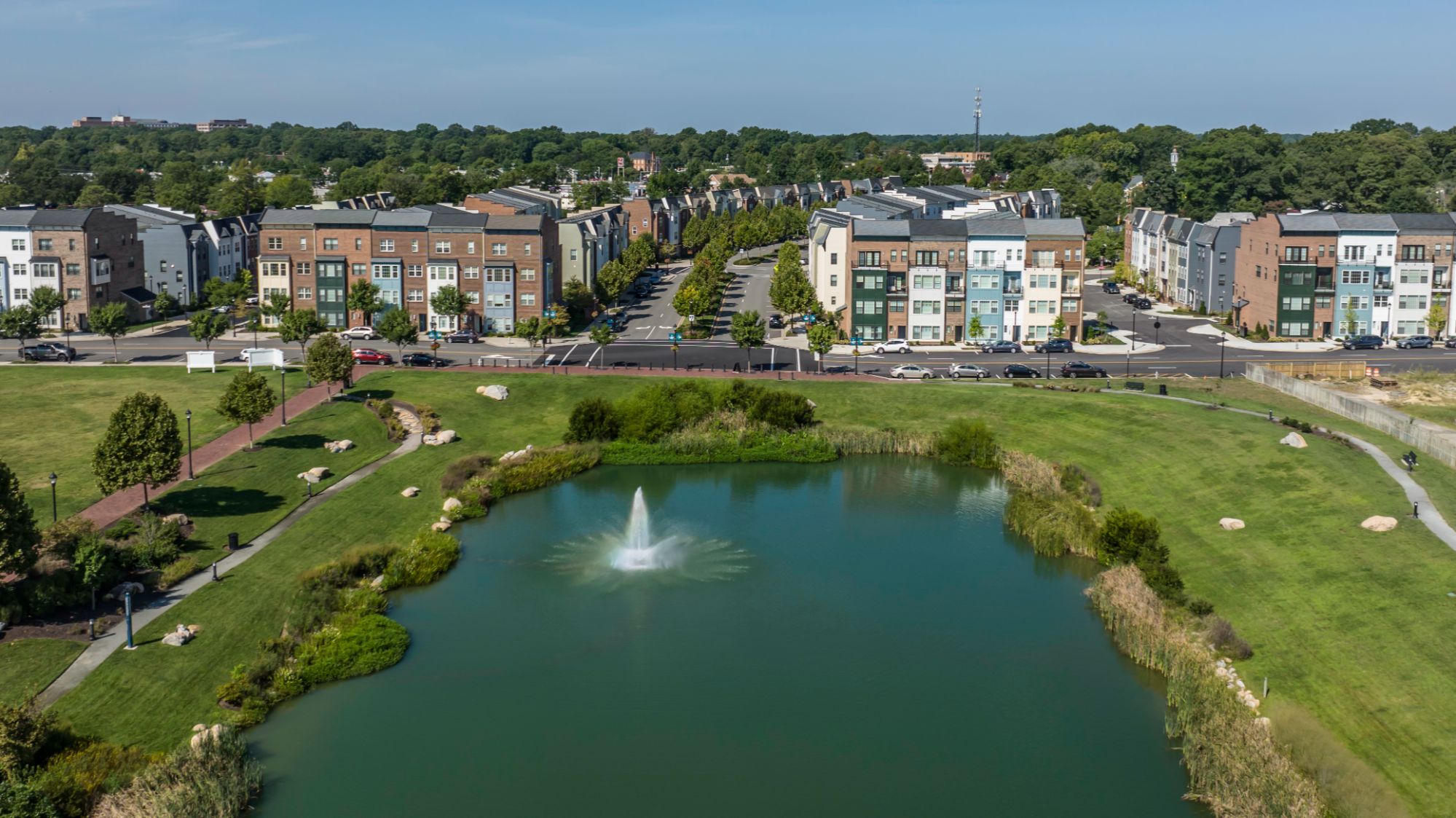
If you’re thinking about relocating to Richmond, Virginia, there’s something I want you to understand before you spend hours scrolling through houses online: when people say they live in “Richmond,” they aren’t always talking about the City of Richmond. They may actually live in Midlothian, Chesterfield, Henrico, Glen Allen, Short Pump, Mechanicsville, or another community in the greater Richmond area. If you’re moving here from another state and don’t know the area yet, that can make your search confusing pretty quickly because all of these places may come up while you’re researching Richmond, even though living in each one can feel very different.
That’s why when our team helps someone relocate to Richmond, VA, we usually don’t want to begin with a list of houses. We want to understand your life first. Where will you be working? How much driving are you comfortable doing? Do you picture yourself in an established neighborhood with mature trees, or are you drawn to newer construction and more modern floor plans? Do you want to be closer to restaurants and activity, or would you rather have a little more space when you come home? Maybe trails, golf, water access, shopping, a larger yard, or neighborhood amenities are important to you. Those details help us figure out where you should actually be looking instead of sending you all over the Richmond region touring homes that happen to fit your price range but may not fit your life.
And if you don’t know the answers to all of those questions yet, that’s completely fine. You’re relocating. You’re not supposed to already know an area you haven’t lived in. Part of what we do at New Canaan Properties is help you understand your options, narrow them down, and make the process feel a lot more manageable.
First, Let’s Talk About What People Mean When They Say “Richmond”
One of the first things I explain to relocation clients is that there’s the City of Richmond, and then there’s the much larger Richmond region. Those two things are connected, but they aren’t interchangeable. Virginia’s independent-city structure can also feel unfamiliar if you’re coming from another state because the City of Richmond is legally separate from the counties surrounding it.
Chesterfield County is primarily south of Richmond, while Henrico County surrounds much of the city to the west, north, and east. Within the broader region, you’ll hear names such as Midlothian, Glen Allen, Short Pump, Mechanicsville, and many others. Someone may casually tell friends in another state that they live in Richmond because that’s the recognizable metro area, even though their actual home is outside the city.
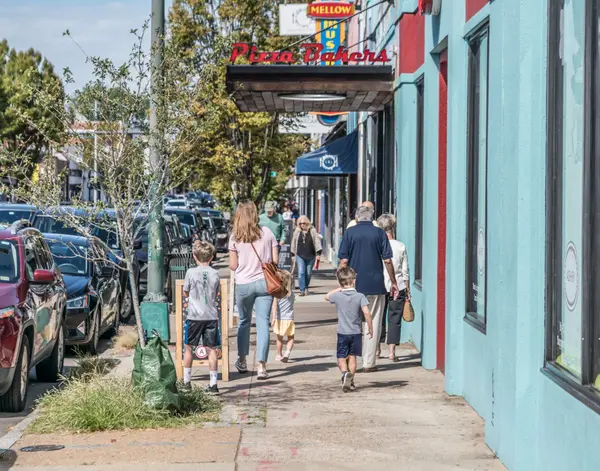
Why does that matter to you? Because choosing one area over another can affect much more than what you write on your address. It can change your commute, local services, schools, taxes, housing choices, access to shopping and recreation, and the overall rhythm of your day. You may start your relocation thinking you want to live in Richmond and discover that what you were actually picturing is Midlothian. Someone else may arrive assuming they want a suburban community and realize they would rather be closer to Richmond’s restaurants, museums, older neighborhoods, and the James River.
Our job isn’t to decide that for you. We want to help you understand the differences well enough that you can decide which environment feels right for your life.
Don’t Choose Where You’ll Live From Someone Else’s “Best Neighborhood” List
I completely understand why people search for things like “best neighborhoods in Richmond” or “best places to live near Richmond” before moving here. You’re trying to make sense of an unfamiliar area, and a list feels like an easy place to start. The problem is that the person who created that list doesn’t know you, and what makes one neighborhood perfect for one household can make it completely wrong for another.
When we talk with a relocation buyer, we want to know what your normal week is going to look like. If you’ll be commuting downtown several days a week, that matters. If you work remotely and really want a dedicated home office and more space, that changes the conversation. Maybe you want to be close to shopping and restaurants because you don’t want to spend half your Saturday running errands. Maybe you’d gladly drive farther if it means getting a larger yard. You might care about trails, golf, water access, community amenities, newer construction, or living somewhere with a more established feel.
Instead of asking, “What is the best place to live around Richmond?” I think the more useful question is, “Which part of the Richmond area fits the way I actually want to live?” Once we start there, your home search becomes much more focused.
Midlothian Is One of the Areas You’ll Probably Hear About
Midlothian is southwest of Richmond in Chesterfield County, and it’s an area our team knows well. It also happens to be a good example of why you shouldn’t judge an entire community based on one neighborhood or one afternoon of looking at houses.
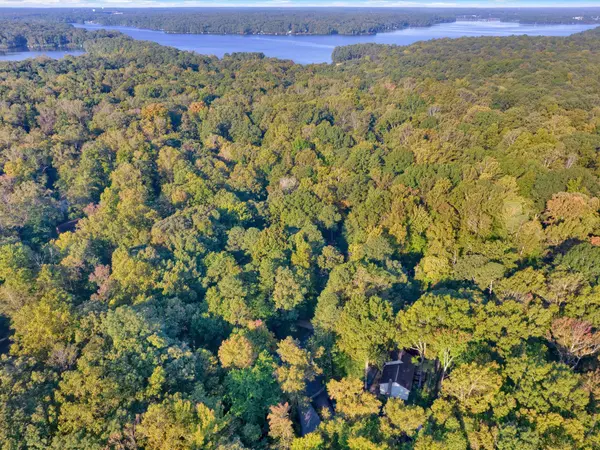
There’s a lot of variety within Midlothian. You’ll find established communities such as Brandermill and Woodlake, neighborhoods around Swift Creek Reservoir, golf communities, townhomes, newer construction, luxury homes, shopping and dining areas, parks, trails, and communities with convenient access to major roads such as Route 288.
What I want relocating buyers to understand is that Midlothian itself doesn’t represent one single lifestyle. Living around Robious Road can feel different from living near Brandermill or farther west toward Westchester Commons. Someone looking for an established neighborhood with mature trees may naturally focus on different communities from someone who wants newer construction. A buyer looking for a larger home and more space may end up in a completely different part of the area from someone who wants a low-maintenance townhome near restaurants and shopping.
So when someone tells us, “I think I want to live in Midlothian,” we don’t stop there. We want to know what you like about Midlothian, because that answer helps us figure out which parts of the area deserve a closer look.
Your Commute Should Be Part of the Conversation Early
If you’re relocating for work, one of the most useful things you can give us is the actual address where you’ll be working. Not just the company name or “somewhere near Richmond.” The location matters because working downtown can create a very different home search from working in western Henrico, Chesterfield, or another part of Central Virginia.
We also encourage relocation buyers not to judge a commute only by the mileage or whatever a map app happens to show in the middle of the day. If you expect to leave home at 7:30 on a Tuesday morning, check the route around that time. If you’re visiting Richmond before your move and commuting is one of your biggest concerns, drive the route yourself if you can. You’ll get a much better sense of whether that drive feels reasonable when you experience it under conditions closer to your actual routine.
A house can look conveniently located on a map and still create a daily routine you don’t enjoy. We’d rather discover that while you’re comparing areas than after you’ve bought the house.
Think About Your Normal Tuesday, Not Just Your House-Hunting Weekend
House-hunting trips are exciting, especially when you’ve spent weeks looking at listings online and finally get to walk through the homes in person. It’s easy to focus on the beautiful kitchen, the backyard, the primary bedroom, the neighborhood pool, or the features that caught your attention in the photos. We absolutely want you to think about those things, but we also want you to picture an ordinary Tuesday six months after you move in.
Where are you going to buy groceries? How far is your gym? Where will you stop for coffee? What does your drive home from work look like? If your household has activities several evenings a week, how much time will you spend in the car? Where will you go when nobody feels like cooking dinner? If you enjoy getting outside after work, are there parks or trails nearby that you’ll realistically use?
Those questions may not be as exciting as walking into a beautiful kitchen for the first time, but they have a lot to do with whether you’ll actually enjoy living there. When you buy a home, you aren’t just choosing the house. You’re choosing the routine that surrounds it.
Established Neighborhood or Newer Construction?
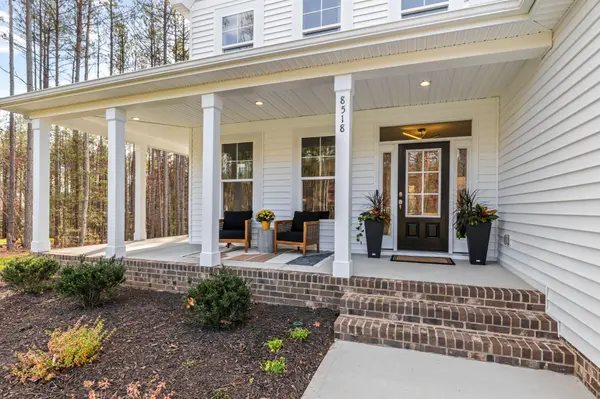
This is another conversation we like to have fairly early because it can help us narrow your search without wasting your time. Some buyers come to the Richmond area wanting an established neighborhood with mature trees, larger lots, and homes that have a little more individual character. Other buyers tell us almost immediately that they don’t want projects and would rather have newer systems, modern layouts, larger kitchens, flexible home-office space, and fewer immediate updates.
There isn’t a right answer. The Richmond area gives buyers both, and Midlothian in particular has homes from very different periods of development. The important thing is understanding the tradeoffs you’re comfortable making. An established home may give you the setting, location, and lot you love but need some updating. New construction may give you the floor plan and finishes you want but place you in a different location or type of community than you originally pictured.
You don’t have to know exactly which one you want before we start. Sometimes seeing both in person makes the answer pretty obvious.
Buying From Another State Doesn’t Mean You Have to Keep Traveling Back and Forth
One of the questions we hear from relocation buyers is how many times they’ll have to come to Virginia before they can actually move. Fortunately, there’s quite a bit we can do before you ever get here. We can talk through different areas, narrow your search criteria, review listings, discuss commute routes, look at maps together, and use video when it helps you better understand a property or neighborhood.
Virtual showings can also be useful when a home comes on the market and you can’t immediately get on a plane or drive to Virginia. Our team can walk you through a home, take a closer look at details that may not be obvious in listing photos, show you the backyard and surroundings, and help you understand where the property sits in relation to the places that matter to you.
At the same time, I don’t want to pretend that a video tells you everything. It doesn’t. A camera can show you quite a bit, but it can’t completely recreate what it feels like to stand inside a home, drive through a community, or experience your potential commute.
That’s why preparation is so important. If you only have a few days to visit Richmond, we want to do as much homework as possible before you arrive so you’re not spending your first day trying to figure out which side of town you even like.
A Good House-Hunting Trip Isn’t About Seeing the Most Houses
When someone is flying or driving into Richmond specifically to look for a home, there can be a temptation to pack as many showings as possible into the schedule. We usually prefer a more intentional approach. Seeing six homes that actually fit what you want can be much more useful than racing through twenty properties scattered across the entire region simply because they fall within your price range.
We also want you to have time to understand the areas surrounding those homes. If we’re spending part of the day in Midlothian, for example, let’s actually experience Midlothian. We can drive around, look at the different communities, stop for lunch or coffee, see where the shopping areas are, and talk about how the different parts of Midlothian connect to the rest of the Richmond region. If you’re comparing Midlothian with another area, we can spend time there too.
That way, you aren’t just comparing kitchens and bedrooms. You’re comparing what your everyday life could look like in each location.
Don’t Forget About the House You’re Leaving Behind
For many people relocating to Virginia, buying the next home is only half of the equation because there’s another house somewhere else that needs to be sold. Now you may be coordinating your current home sale, your Virginia purchase, financing, moving trucks, job dates, closing dates, temporary housing, and possibly the proceeds you need from one property to purchase the next.
This is one reason we encourage relocation clients to contact us before they feel completely “ready” to start touring homes. We can begin talking about the moving pieces well before you make an offer. Maybe you’re comfortable owning two homes for a short period. Maybe that would put too much pressure on your finances. Maybe your current home needs to sell before you can close on the next one, or perhaps your employer has given you a firm date that affects everything else.
The sooner we understand those details, the easier it is for us to help you build a realistic plan instead of trying to solve every problem at the last minute.
Renting First Can Be the Right Choice for Some Relocation Buyers
Sometimes someone moves to Richmond already knowing exactly what they want, understands the communities they’re considering, finds the right home, and purchasing soon after relocating makes sense. Other people arrive and realize they still aren’t sure whether they want the city, Midlothian, Chesterfield, Henrico, or somewhere else entirely.
If you genuinely don’t know yet, renting for a period can give you time to learn the area without forcing yourself into a long-term decision simply because you have a moving deadline. That doesn’t mean everyone should rent before buying, and it doesn’t mean buying right away is a bad idea. It simply means the decision should make sense for your circumstances, not because somebody told you there’s one correct way to relocate.
Your finances, expected length of stay, familiarity with the region, housing needs, and what’s available when you’re searching all matter. We can talk through the real estate side of those options so you can make the decision that feels right for you.
Spend Some Time Here Without Looking at Houses
This may sound strange coming from a real estate team, but if you have enough time during your relocation visit, we think you should spend at least part of it not looking at houses.
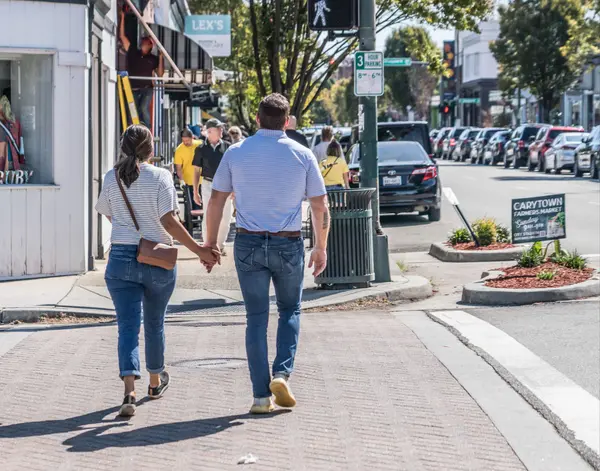
Get coffee somewhere you might actually visit on a Saturday morning. Drive your potential route to work. Walk through a park. Spend some time in Richmond and then spend some time in Midlothian. Go to the grocery store. Have dinner. Drive through the communities you’re considering without rushing to the next showing. If another part of the region is on your list, spend a few hours there too.
You’re trying to answer a bigger question than whether you like a particular house. You’re trying to decide whether you can picture your life here. Sometimes those few unscheduled hours tell you more about an area than another afternoon of walking through properties.
You Don’t Need to Have Richmond Figured Out Before You Call Us
I think some relocation buyers hesitate to contact a Realtor because they assume they’re supposed to know exactly where they want to live first. You don’t. You can contact our team and simply say, “We’re moving to the Richmond area, and we honestly have no idea where we should be looking.”
That is enough to start.
We’re going to ask questions about where you’ll work, your budget, the type of home you picture, what you enjoy doing outside of work, how much driving feels reasonable, what you like about where you live now, and what you hope will be different after your move. Those answers give us clues, and those clues help us narrow the region until the search starts feeling much more manageable.
We don’t expect you to know our market before you get here. Helping you understand the market is part of what our team is here to do.
How Our Team Approaches Richmond-Area Relocation
I’m Khaliyah Heaven Barakhyahu, Real Estate Team Leader with New Canaan Properties, and our team helps buyers and sellers throughout Midlothian, Richmond, Chesterfield County, and Central Virginia. When we’re helping someone relocate, we don’t think our job begins and ends with sending listings and opening doors.
You’re making a major life decision in a place you may barely know while your current life is still happening somewhere else. You may be starting a new job, selling another home, coordinating movers, learning a new commute, researching communities, and making major financial decisions at the same time. There are a lot of moving pieces, so our approach is to break the real estate side of your relocation into smaller, more manageable decisions instead of expecting you to understand the entire Richmond region in one weekend.
We start by getting to know you and the life you’re trying to create here. From there, we help you understand the areas that may fit. Once we’ve narrowed those down, we can focus much more seriously on finding the right house.
That order matters because the right house in the wrong location probably won’t feel like the right house for very long.
Frequently Asked Questions About Relocating to Richmond, VA
Is Richmond the same as the Richmond metro area?
No. The City of Richmond and the greater Richmond region are not the same thing. The broader region includes surrounding counties and communities, which is why someone may casually say they live in Richmond even though their home is actually in Midlothian, Chesterfield, Henrico, Glen Allen, or another nearby community.
Is Midlothian part of Richmond?
Midlothian is part of the greater Richmond region, but it is located in Chesterfield County rather than the City of Richmond. If you’re relocating, understanding that distinction can help you make sense of local services, schools, taxes, commute routes, housing choices, and the different communities available to you.
Should I visit Richmond before buying a home?
If it’s practical, visiting can be extremely helpful because you get to experience the areas instead of relying entirely on maps, listings, and online descriptions. If you can’t visit before beginning your search, our team can still accomplish a lot with you remotely so that any future trip is much more focused.
Can I buy a Richmond-area home while living in another state?
Yes. Buyers can handle significant portions of the home-search and transaction process while living elsewhere. Exactly how much can be handled remotely will depend on the property, your financing, the contract, closing arrangements, and your personal circumstances, but living in another state doesn’t mean you have to wait until you physically move to Virginia to begin.
Should I rent or buy when relocating to Richmond?
There isn’t one answer that works for everyone. Some buyers know the area they want, are financially prepared, and feel comfortable purchasing relatively quickly. Others benefit from renting while they learn the region. The better question is whether you understand the area well enough and feel financially and personally ready to make the purchase.
When should I contact a Realtor before relocating to Richmond?
You can start much earlier than the week you’re ready to make an offer. Talking with our team early gives us time to understand your relocation timeline, help you learn the region, narrow potential areas, discuss your home-search strategy, and make any future visit much more productive.
How do I decide where to live around Richmond?
Start with your everyday life rather than a generic ranking of neighborhoods. Think about where you’ll work, your budget, the type of home you prefer, your commute tolerance, the conveniences you use regularly, and what you want to do outside of work. From there, you can compare the Richmond-area communities that best match those priorities.
Final Thoughts on Relocating to Richmond
If you’re relocating to Richmond, VA, you don’t need to arrive already knowing whether you belong in Richmond, Midlothian, Chesterfield, Henrico, or somewhere else. That’s something we can figure out as you learn the area.
You may begin the process convinced you want to live in the city and discover that Midlothian fits your everyday life better. You may come here expecting to live in the suburbs and realize you love being closer to Richmond’s restaurants, museums, older neighborhoods, and the James River. You may even discover an area you hadn’t considered at all before you visited.
That’s why our team doesn’t want your relocation search to be about finding whichever neighborhood someone on the internet called “the best.” We want to help you understand the Richmond area well enough to find the place where your actual life makes sense. Once we understand that, finding the right house becomes a whole lot easier.
Related Articles
- What Should Relocating Buyers Know About Midlothian, VA?
- Moving From Out of State to Midlothian, VA: What Should You Know?
- Where Should I Live Near Richmond, VA?
- Pros and Cons of Moving to Midlothian, VA
- What Is Midlothian, VA Known For?
- What Is the Commute Like From Midlothian, VA to Richmond?
Next Step
If you’re planning to relocate to Richmond, Midlothian, Chesterfield County, or another part of Central Virginia, you don’t need to know exactly where you want to live before reaching out. Our team can start by learning about your move, where you’ll be working, your budget, what kind of home you’re looking for, and what you want everyday life to look like. From there, we can help you narrow down the areas and create a home-search plan that makes sense for your relocation.
Khaliyah Heaven Barakhyahu
Real Estate Team Leader | New Canaan Properties
Our team helps buyers and sellers throughout Midlothian, Richmond, Chesterfield County, and Central Virginia, including clients relocating to the Richmond area from another part of Virginia or another state.
New Canaan Properties
804.312.3405
Categories
Recent Posts