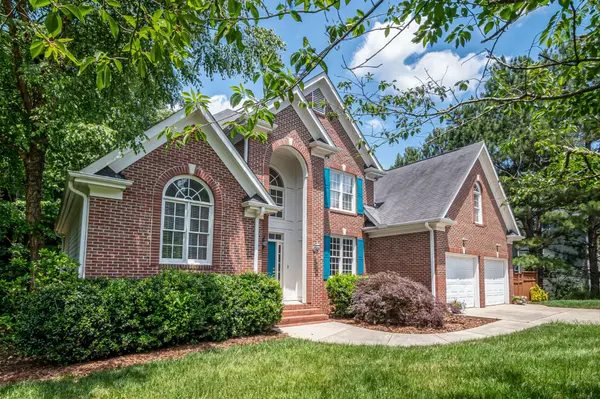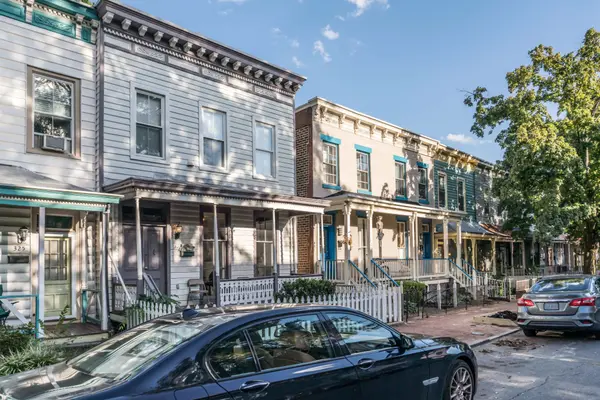

Relocating to Richmond, VA for Work: Should You Rent or Buy First?

You've accepted a new job in Richmond, Virginia, and now you have another big decision to make. Where are you going to live?
Maybe your employer has given you 60 days to relocate. You're researching neighborhoods, looking at houses online, and trying to decide whether you should rent for a while or purchase a home before you move.
You may already own a house in another state that needs to be sold. Perhaps your company is offering relocation assistance, and you're wondering how to make the most of it.
Should you rent or buy when relocating to Richmond, VA for work? Buying may make sense if you expect to remain in the area for several years, understand your new job location, and are financially prepared for homeownership. Renting first may offer more flexibility if you're unfamiliar with Richmond, uncertain about your long-term plans, or need time to sell your current home.
There's no answer that works for everyone. Your employment situation, housing budget, relocation benefits, and personal priorities all deserve consideration.
Is It Better to Rent or Buy When Relocating to Richmond, Virginia?
I would start by looking at how certain you are about your move.
If you've accepted a permanent position, know the office location, and expect to remain in Central Virginia for several years, purchasing a home may be worth exploring.
Buying gives you the opportunity to build equity over time, make the property your own, and establish a more permanent living arrangement.
However, purchasing also comes with closing costs, maintenance expenses, and the financial responsibility of owning a property.
Renting may make more sense if you're taking a temporary assignment, still learning the area, or unsure how long you'll remain with your new employer.
A lease can give you time to understand Richmond's different communities before making a long-term decision.
The Consumer Financial Protection Bureau also recommends considering how long you expect to remain in a home, since buying and selling involve transaction costs that can make short-term ownership more expensive.
You can review its guidance on deciding when to buy a home.
I wouldn't automatically recommend renting simply because you're moving from another state. I also wouldn't encourage someone to buy before they've had an opportunity to evaluate their options.
The decision should begin with your circumstances.
How Long Should You Plan to Stay in Richmond Before Buying a House?
One of the first questions I ask relocation buyers is how long they expect to remain in the area.
Someone moving to Richmond for a long-term career opportunity may approach homeownership differently than someone accepting a two-year assignment.
If there's a reasonable chance you'll relocate again within a year or two, consider the costs of purchasing and eventually selling the property.
When you buy a home, you'll generally have expenses associated with financing, inspections, settlement, and moving.
Selling later can involve brokerage compensation, closing expenses, repairs, and other costs.
There's also no guarantee that the home's value will increase enough during your ownership to cover those expenses.
If you expect to remain in Richmond for several years, purchasing may become more attractive, particularly if your income is stable and you have enough savings for the ongoing responsibilities of homeownership.
There isn't a universal number of years that guarantees buying will be the better financial decision.
I recommend comparing the estimated costs of renting and buying over the period you expect to stay.
Should You Rent First If You Don't Know the Richmond Area?
Renting first can be useful when you're unfamiliar with the region, but it isn't your only option.
One thing relocating employees often discover is that Richmond encompasses a much larger area than they originally expected.
You may work in Richmond but find homes you like in Midlothian, Chesterfield County, Henrico, Glen Allen, Short Pump, or Hanover County.
Those locations have different housing choices, commuting patterns, and community settings.
For example, someone transferring to an office in western Henrico may consider a different group of neighborhoods than someone working in downtown Richmond.
If you're unfamiliar with the area, I recommend starting with your work location and the type of everyday routine you want.
We can narrow down communities based on your budget, preferred home features, commute tolerance, and access to the places you expect to visit regularly.
You may discover that you don't need to rent for an entire year to become familiar with the market.
A well-planned relocation visit, virtual consultations, neighborhood research, and property tours can help you make an informed decision.
However, if you still feel uncertain after researching the area, temporary housing may give you valuable time.
For a closer look at the surrounding communities, read our article Where Should I Live in the Richmond, VA Area?.
Where Should You Live If You're Moving to Richmond for a New Job?
Your workplace can have a major influence on your home search.
Richmond's employment opportunities span healthcare, government, financial services, education, energy, manufacturing, and other industries.
The Greater Richmond region includes employers such as VCU Health, Capital One, Dominion Energy, CarMax, and a variety of government agencies and private businesses.
But knowing the company name isn't always enough to determine where you should live.
Large employers may have multiple offices, campuses, or work locations.
I recommend confirming the actual address where you'll be working before choosing neighborhoods.
If you're relocating to work in downtown Richmond, you may want to explore city neighborhoods and nearby communities with convenient road access.
If your job is in western Henrico, Glen Allen or Short Pump may be worth comparing with other areas.
For someone working in Chesterfield County, parts of Midlothian or Chester may offer a more convenient commute.
A remote or hybrid employee may have considerably more flexibility.
Instead of choosing based solely on proximity to work, that buyer may place greater emphasis on a home office, lot size, neighborhood amenities, or other priorities.
Remember to evaluate commute times during the hours you'll actually be traveling.
A house that appears close to work on a map may feel less convenient during weekday traffic.
Does Your Employer's Relocation Package Affect Whether You Should Rent or Buy?
Absolutely.
Before deciding how much to spend on housing, find out exactly what your employer's relocation package includes.
Some companies provide a lump-sum payment that employees can use toward eligible relocation expenses.
Others offer specific benefits such as moving services, temporary housing, travel reimbursement, or assistance with selling and purchasing a home.
Your company may also have a relocation management provider coordinating certain services.
Don't assume that every expense associated with purchasing a house will be covered.
Ask your employer or relocation coordinator whether the benefits include home-finding trips, temporary housing, closing cost assistance, or reimbursement for eligible expenses.
You should also understand any deadlines.
For example, your employer may require you to use certain relocation benefits within a specified period.
Some employers also have repayment provisions if an employee leaves the company before a designated date.
Relocation benefits can have tax implications, so review the written policy and speak with an appropriate tax professional when necessary.
I encourage corporate transferees to share the relevant relocation requirements with their real estate agent early in the process.
That allows us to coordinate your home search with any procedures or timelines established by your employer.
How Much Money Do You Need to Buy a House When Relocating to Richmond?
Your down payment is only one part of the amount you'll need to purchase a home.
There are also closing costs, inspections, moving expenses, and other costs to consider.
According to the Consumer Financial Protection Bureau, typical mortgage closing costs may range from approximately 2% to 5% of the purchase price, excluding the down payment.
For example, on a $450,000 home, that general range would be approximately $9,000 to $22,500.
Your actual expenses will depend on the loan, lender, property, and transaction terms.
You may also qualify for financing options that require less than a 20% down payment.
Eligible veterans and military borrowers may have access to VA financing, while other buyers may consider conventional, FHA, or qualifying assistance programs.
The right loan depends on your financial situation and eligibility.
When relocating, remember to account for the cost of moving itself.
You may need to pay movers, storage fees, travel costs, or temporary housing expenses before your first mortgage payment is due.
I recommend reviewing the complete financial picture with your lender before starting a serious home search.
You can also use the CFPB's home affordability guidance to understand how upfront expenses affect your buying budget.
Can You Qualify for a Mortgage If You Just Started a New Job in Richmond?
Possibly.
Starting a new job doesn't automatically prevent you from qualifying for a mortgage.
Lenders evaluate several factors, including income, employment history, credit, debt, available funds, and the requirements of the loan program.
If you're transferring within the same company or accepting a new salaried position, a lender may be able to evaluate your employment documentation before you've received several paychecks.
However, specific requirements vary.
For example, income from commissions, bonuses, self-employment, or other variable sources may require additional documentation or employment history.
Your lender may ask for an offer letter, employment verification, or other records.
If you're planning to buy immediately after relocating, I recommend contacting a mortgage professional before your move.
That gives you an opportunity to understand what documentation you'll need and whether your employment timeline could affect closing.
What If You Still Own a Home in Another State?
This is a situation many relocating homeowners face.
You've accepted the job and need to move, but your existing house hasn't sold yet.
Now you're trying to decide whether to purchase another property, rent temporarily, or wait until the current home sells.
One of the biggest questions is whether you can comfortably manage two housing payments.
Your lender will also need to determine how your existing mortgage affects your ability to qualify for another loan.
If you need the proceeds from your current home to purchase your next one, the timing becomes particularly important.
You may need to coordinate the sale and purchase or consider temporary housing between transactions.
Some buyers have enough financial flexibility to purchase first and sell their previous home afterward.
Others prefer selling before buying because it provides more certainty about how much money will be available.
There may also be contract strategies that help coordinate the timing, depending on the seller's willingness to accept them and the current market.
I recommend discussing this early rather than waiting until you've found a house you want to purchase.
You can read more in our article Should I Sell My House Before Buying Another One in Richmond, VA?.
Should You Use Temporary Housing When Relocating to Richmond for Work?
Temporary housing can be useful when your job begins before you're ready to purchase or sign a longer-term lease.
For example, your employer might expect you to begin working in Richmond within 30 days, but you still need to sell your existing home.
Rather than rushing into a purchase, temporary accommodations could give you time to work through the transition.
Depending on your needs and budget, options may include extended-stay hotels, furnished apartments, or other short-term rental arrangements.
Availability, lease requirements, and costs vary.
If your employer provides temporary housing assistance, find out how long the benefit lasts and which expenses are covered.
Before choosing a temporary location, consider your commute and how easily you'll be able to visit neighborhoods or tour homes.
You may also need to think about storage, pets, and the logistics of moving your belongings more than once.
Temporary housing can offer flexibility, but it comes with its own expenses.
I recommend comparing those costs with the benefits of purchasing or securing a longer-term rental before arriving.
How Can You Search for a Richmond Home While Living in Another State?
You can begin your home search well before arriving in Virginia.
In fact, I encourage relocation clients to contact our team as soon as they know they're moving.
We can start by discussing where you'll work, your budget, your preferred housing features, and your expected arrival date.
From there, we can help narrow your search to specific parts of the Richmond region.
Virtual property tours, video calls, online listing searches, and neighborhood research can help you evaluate options remotely.
If you're able to visit Richmond before moving, we can use that time to compare communities and tour properties that fit your needs.
I recommend leaving some time during your visit to explore neighborhoods without looking at houses.
Visit a park, stop by a grocery store, drive your potential commute, and spend time in the areas you're considering.
These everyday experiences can help you decide whether a community feels like somewhere you'd want to live.
If you decide to purchase remotely, pay particular attention to inspection arrangements, financing deadlines, the property's condition, and the closing process.
Remote buying can work, but it requires careful coordination.
What Should You Compare Before Deciding to Rent or Buy?
Before making your decision, I recommend looking at more than the monthly rent and mortgage payment.
Here's a practical comparison:
| Consideration | Renting First | Buying First |
|---|---|---|
| Flexibility | Usually easier to relocate again after the lease ends | Selling may be necessary if you move |
| Upfront expenses | Security deposit, initial rent, moving costs, and possible fees | Down payment, closing costs, inspections, and moving expenses |
| Property maintenance | Generally handled by the landlord under the lease and applicable law | Homeowner is responsible |
| Ability to personalize | Subject to lease restrictions | More control, subject to applicable rules |
| Long-term ownership | No ownership equity from rent payments | Potential to build equity, with market risk |
| Learning the area | Time to explore communities before purchasing | Requires more research before committing |
| Housing stability | Depends on lease terms and renewal options | More control over continued occupancy, subject to financial obligations |
I would also ask how a possible second move might affect your finances.
Renting for six or twelve months and then purchasing could mean paying movers twice.
Buying immediately may avoid that expense, but only if you're comfortable making the decision with the information you have.
Neither option eliminates every cost or risk.
The goal is to choose the arrangement that supports your move without creating unnecessary financial pressure.
Frequently Asked Questions About Relocating to Richmond, VA for Work
Should I rent before buying a house when moving to Richmond?
Renting first can make sense if you're unfamiliar with the area, unsure how long you'll stay, or need time to sell your current home. Buying may be appropriate if you expect to remain in Richmond for several years, know your preferred location, and are financially prepared.
Can I buy a house in Richmond before starting my new job?
Possibly. Some mortgage programs allow lenders to consider qualifying future employment income using acceptable documentation. The requirements vary by loan type and lender, so obtain financing guidance before making an offer.
What are good areas to consider when relocating to Richmond for work?
Richmond, Midlothian, Chesterfield, Glen Allen, Short Pump, and other nearby communities offer different housing options. The most suitable areas depend on your actual workplace, budget, preferred home features, and commute.
Do Richmond employers pay relocation expenses?
Some employers provide relocation benefits, while others do not. Packages may include temporary housing, moving assistance, travel expenses, or home purchase-related benefits. Review your employer's written relocation policy to determine what applies.
Can I buy a home in Richmond while still owning one in another state?
Yes, if you qualify financially and can meet the requirements of your purchase. Your existing mortgage, available equity, debt obligations, and timing of a possible sale can all affect your options.
Can a Realtor help me relocate to Richmond from another state?
Yes. A local real estate professional can help you research communities, compare homes, evaluate commuting considerations, coordinate property tours, and manage the real estate portion of a relocation.
How early should I contact a Realtor before relocating to Richmond?
Contacting an agent as soon as you know your likely move date can be helpful, especially if you have a home to sell, need financing approval, or are unfamiliar with the region. You don't need to have selected a neighborhood before reaching out.
Related Articles
If you're moving to the Richmond area for a new position, these additional New Canaan Properties articles can help you plan your relocation and narrow your home search.
Relocating to Richmond, VA: What Should You Know Before You Move?
Learn about the Richmond region, surrounding communities, commuting considerations, and what to research before arriving.
Where Should I Live in the Richmond, VA Area?
Compare Richmond, Midlothian, Glen Allen, Short Pump, and other communities based on your workplace, budget, and preferred lifestyle.
Moving to the Richmond, VA Area: Where Should You Start?
Understand how to begin planning a relocation, narrow your search, and organize the decisions that come with moving to Central Virginia.
Should I Sell My House Before Buying Another One in Richmond, VA?
Explore how to coordinate selling your existing home with purchasing another property, including timing and financing considerations.
Next Steps
If you've accepted a job in Richmond or are considering a corporate relocation to Central Virginia but aren't sure whether you should rent or buy, that's a good time to contact us. Our team can start by learning what's bringing you to the area, where you'll be working, when you need to move, your housing budget, and whether you have another home to sell. We'll also want to understand what your employer's relocation package includes and what you want your everyday life to look like.
From there, we can help you compare communities, understand your housing options, and develop a relocation plan around your timeline and financial goals. If purchasing makes sense, we can help you narrow your search and coordinate the real estate process, even if you're still living in another state.
Khaliyah Heaven Barakhyahu
Real Estate Team Leader | New Canaan Properties
Our team helps buyers and sellers throughout Midlothian, Richmond, Chesterfield County, Henrico, Hanover, and Central Virginia, including employees and families relocating to the Richmond area from another city or state.
New Canaan Properties
804.312.3405
New Canaan Properties, LLC | Brokered by eXp Realty
Categories
Recent Posts